

GTM Engineering is reshaping how businesses grow in 2025. Here’s why it matters:
- What is it? GTM Engineering combines automation, AI, and data integration to streamline revenue operations, replacing outdated manual processes.
- Why now? Traditional go-to-market strategies are failing. With 78% of enterprise buyers expecting ROI in 6 months and global data creation hitting 182 zettabytes, businesses need smarter, scalable systems.
- Key benefits: Faster deal cycles (38% quicker), reduced customer acquisition costs (50% lower), and aligned sales, marketing, and customer success teams.
- How it works: GTM Engineers unify tools, automate workflows, and ensure data flows seamlessly across departments to drive better decisions and results.
If your business is struggling with long sales cycles, siloed teams, or inefficient processes, GTM Engineering offers a clear path to improvement.
#21 | GTM Engineer: The Clay-Powered Role Every B2B Founder Needs
How GTM Engineering Works in B2B Organizations
GTM Engineering brings together data, technology, and strategy, creating a seamless ecosystem where teams share tools that gather insights, trigger actions, and improve performance. This cohesive approach is powered by skilled GTM Engineers, who ensure every piece of the puzzle fits together perfectly.
These engineers are the driving force behind the shift from disconnected tools and processes to an integrated system. They design automated workflows that respond to actual customer behavior, unify data across platforms, and make sure everyone has access to accurate, up-to-date information. This modern approach replaces outdated methods with precise, actionable strategies that deliver measurable outcomes.
GTM Engineer Responsibilities
GTM Engineers take on a range of responsibilities, blending technical know-how with business acumen to build scalable revenue systems. Their work spans the entire customer lifecycle, from identifying prospects to ensuring customer renewals and expansions.
Technical system orchestration is central to their role. GTM Engineers link various tools in the revenue tech stack, ensuring smooth data flow between marketing automation platforms, CRMs, analytics tools, and communication systems. They also automate repetitive tasks and set up systems that trigger actions based on specific contexts.
Data pipeline development is another key area. They build and maintain systems that gather, clean, and distribute customer data across departments. This allows marketing teams to measure campaign performance down to individual interactions and gives sales teams a complete view of the buyer’s journey.
Here’s a real-world example: A mid-sized SaaS company selling to finance teams saw impressive results when its GTM Engineer created an outbound sequence using LinkedIn data combined with a personalization AI tool. By referencing details like recent funding rounds and job openings, the automated program outperformed a team of five sales development representatives in booking demos [4].
Cross-functional collaboration is equally important. GTM Engineers work with sales, marketing, and customer success teams to address operational challenges. They translate business needs into technical solutions, ensuring everyone understands how these systems improve workflows. This unique mix of technical and strategic skills directly boosts the performance of revenue teams.
How Sales and Marketing Teams Benefit
GTM Engineering significantly enhances the alignment between sales and marketing teams. It fosters collaboration by creating shared goals, unified metrics, and seamless transitions, making the handoff from marketing-qualified leads to sales opportunities almost effortless.
Unified data provides both teams with a single, reliable source of truth. This clarity helps identify which campaigns drive revenue and offers a complete view of the buyer’s journey, giving sales teams critical insights into each prospect’s needs and interests.
Better lead quality and smoother handoffs are achieved through advanced lead scoring. By incorporating signals like product usage, buying intent, and behavioral patterns, sales teams receive leads enriched with meaningful context, making their outreach more effective.
Personalization at scale becomes achievable when both teams operate from the same data foundation. Marketing can launch highly targeted campaigns informed by sales feedback, while sales teams can tailor their conversations using insights from marketing initiatives.
The impact of aligning GTM strategies across departments is clear: businesses have reported a 36% improvement in customer retention and a 38% increase in sales win rates [2]. Even more striking, cohesive sales and marketing alignment can lead to revenue growth of up to 209% [6].
Streamlined workflows and reduced friction come naturally with this integration. Automated processes designed by GTM Engineers eliminate delays and miscommunications. For instance, when a prospect takes a high-intent action, both sales and marketing are immediately notified with relevant context, enabling quick and coordinated follow-ups.
Improving Operational Efficiency
GTM Engineering transforms operational efficiency by replacing manual, error-prone tasks with intelligent automation that scales effortlessly. Instead of simply expanding teams, the focus shifts to building smarter systems that amplify the productivity of existing staff.
Workflow automation tackles repetitive tasks, freeing up time for strategic work. GTM Engineers identify bottlenecks in revenue processes and develop automated solutions to address them. Examples include automated lead enrichment, real-time data synchronization, and intelligent routing of prospects to the most suitable team members.
Take this example: A B2B SaaS company offering recruitment software automated its total addressable market (TAM) research using tools like Clay, LinkedIn Sales Navigator, Crunchbase, Clearbit, and Apollo. The system automatically identified companies matching its ideal customer profile, enriched the data, and sent personalized outreach emails. The results were striking - an 80% reduction in time spent on manual lead research, a 50% increase in response rates, and a 20% shorter sales cycle [7].
Data-driven decision-making becomes the norm as GTM Engineers create pipelines that deliver real-time insights into funnel performance, campaign success, and customer behavior [5]. Teams can quickly pinpoint what’s working and adapt strategies based on actual data rather than outdated reports or guesswork.
Scalable process design ensures systems can handle growth without breaking down. GTM Engineers build repeatable processes that hold up over time, even as teams grow or shift focus. This allows businesses to replicate successful strategies across different markets.
Resource optimization is another major benefit. By eliminating duplicate efforts and reducing inefficiencies, GTM Engineering ensures that every marketing dollar and sales hour is used effectively. This leads to faster growth, lower customer acquisition costs, and shorter sales cycles.
Ultimately, GTM Engineering creates a framework for continuous improvement. Systems learn from past interactions and apply those insights to future engagements, driving ongoing efficiency gains and better results over time.
GTM Engineering Frameworks and Tools
Once revenue systems are integrated, the next step is implementing frameworks and tools that support scalable go-to-market (GTM) execution. The success of GTM Engineering lies in selecting systems that work together seamlessly. For modern B2B organizations, this means combining proven methodologies with technology that can scale efficiently and deliver measurable outcomes.
Core GTM Frameworks
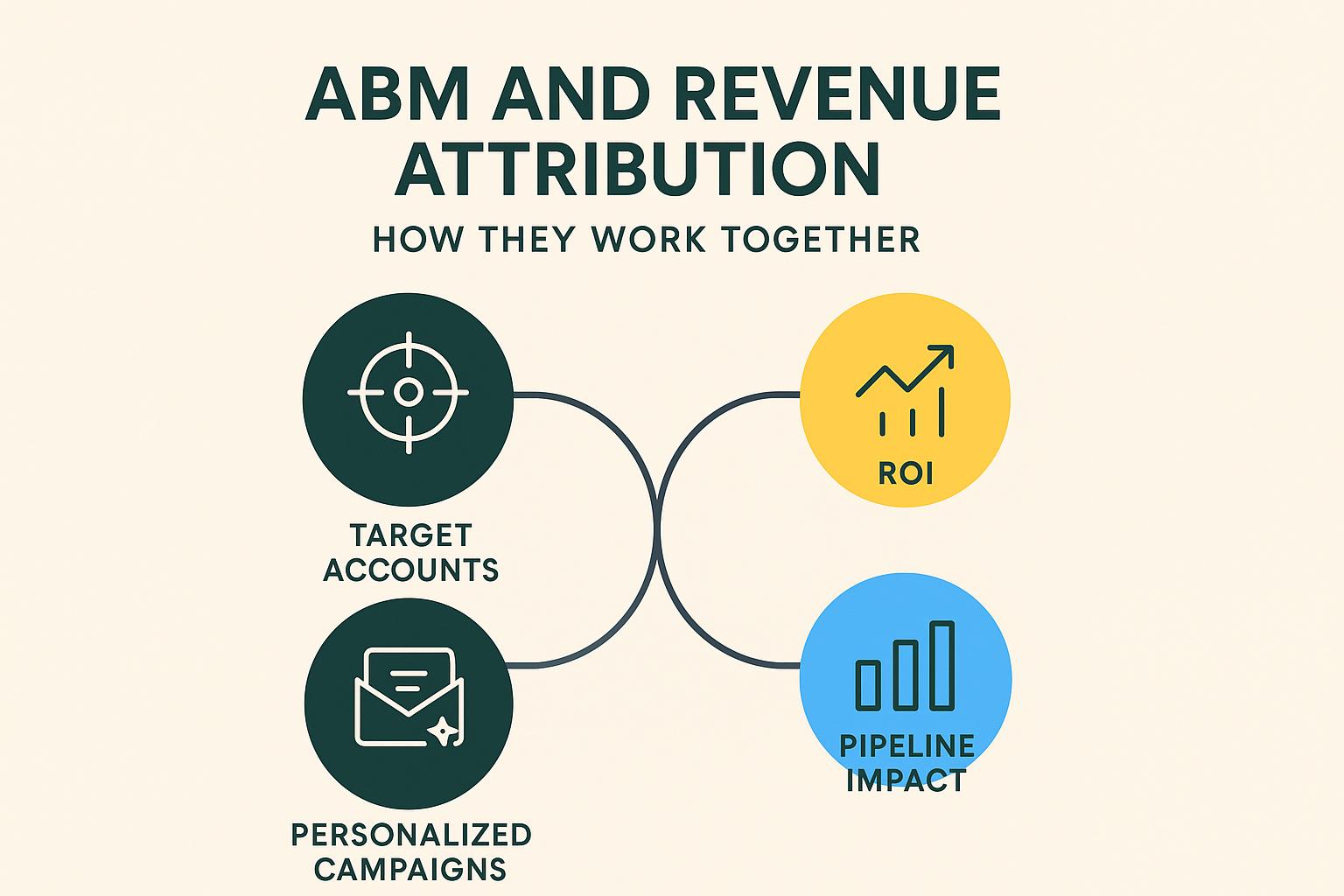
Account-Based Marketing (ABM) focuses on targeting high-value accounts with personalized campaigns. The FIRE framework - short for Fit, Intent, Relationship, and Engagement - helps score and prioritize these accounts, enabling coordinated efforts between sales and marketing teams [8]. By aligning on shared account lists, GTM Engineers ensure consistent touchpoints throughout the buyer journey.
Demand generation frameworks have evolved significantly. Instead of relying solely on gated content to capture leads, modern strategies aim to build emotional connections. GTM Engineers use these frameworks to track buyer behavior across multiple channels, leveraging intent data to identify when prospects are actively researching solutions [8].
"A go-to-market strategy is the bridge connecting a great product or service to its potential market success. It's the blueprint that ensures that a company's offering not only reaches its intended audience but also resonates with them, addressing their needs and challenges." - Ross Kernez, Forbes Councils Member [10]
Sales enablement frameworks ensure sales teams have the tools, content, and insights they need at every stage of the buyer journey. GTM Engineers design systems that provide sales reps with tailored case studies, competitive insights, and personalization data based on a prospect’s industry, company size, and engagement history.
The shift toward a team-sourced pipeline emphasizes collaboration between marketing and sales. Instead of traditional handoffs, GTM Engineers create systems where both teams work together throughout the customer lifecycle [8]. This alignment pays off - businesses that integrate their GTM strategies across departments see a 36% improvement in customer retention and a 38% higher sales win rate [2]. Additionally, companies using AI-driven customer segmentation experience up to 40% higher lead-to-opportunity conversion rates compared to static methods [9].
GTM Tools for 2025
The GTM Engineering toolkit has expanded to include specialized tools for every part of the revenue process. At the center are Customer Relationship Management (CRM) platforms, with Salesforce and HubSpot leading the pack thanks to their integration capabilities and automation features.
Clay is a powerful tool for AI-driven prospecting and data enrichment [7]. It helps GTM Engineers automate lead generation, outbound sequences, and personalization, enabling highly targeted campaigns at scale.
Marketing automation platforms like HubSpot and Adobe Marketo Engage are essential for orchestrating complex nurturing workflows and tracking engagement across multiple channels [11]. These tools allow teams to respond to buyer behaviors with tailored follow-ups.
n8n, an open-source workflow automation tool, offers more flexibility than traditional options like Zapier [7]. GTM Engineers use it to integrate data, automate lead routing, and create custom workflows.
| Tool | Primary Function | GTM Engineering Applications |
|---|---|---|
| Clay | AI & Data-Driven Prospecting | Lead building, enrichment, outbound automation, personalization [7] |
| n8n | Workflow Automation | Lead routing, data integration, marketing workflows, web scraping [7] |
| Salesforce | CRM Platform | Sales automation, data integration, lead management, insights [11] |
| HubSpot | CRM & Marketing Automation | Campaign orchestration, nurturing, sales tracking, alignment [11] |
| Segment | Customer Data Platform | Data collection, cleansing, and activation for personalized marketing [11] |
Analytics and tracking tools are critical for measuring GTM success. Google Analytics and Google Tag Manager track website behavior and campaign performance, while tools like Segment unify customer data across platforms [11].
Communication and collaboration tools like Slack integrate seamlessly with GTM systems. For example, GTM Engineers set up real-time notifications to alert teams when high-intent prospects take specific actions, enabling immediate follow-ups [11].
One B2B SaaS company used Clay integrated with LinkedIn Sales Navigator, Crunchbase, Clearbit, and Apollo to automate their Total Addressable Market (TAM) research. This system streamlined target account identification, data enrichment, and outreach, reducing manual lead research time by 80%, boosting response rates by 50%, and shortening the sales cycle by 20% [7].
Building Scalable Tech Stacks
Selecting the right tools is only the beginning. To ensure long-term scalability, GTM Engineers build composable tech stacks - modular systems that connect best-in-class tools through APIs and microservices [12]. This approach offers flexibility while maintaining reliability.
A strong data infrastructure is the backbone of any GTM tech stack. Centralized data warehouses consolidate information from CRM systems, marketing platforms, product analytics, and customer support tools [12]. This unified foundation eliminates data silos and ensures consistent reporting.
Several companies illustrate the power of well-designed GTM stacks:
- Snowflake created a custom sales pipeline dashboard that unified data from Salesforce, Outreach, and LinkedIn. This real-time system improved deal closures by 25% and enhanced forecast accuracy [12].
- HubSpot automated workflows like lead routing and marketing attribution, using custom tools layered over their stack. Real-time dashboards provided pipeline visibility, leading to better revenue forecasting and faster lead conversion [12].
- Figma developed a system to identify product-qualified leads based on usage patterns. These leads were automatically integrated into Salesforce with detailed product context, increasing enterprise conversions by over 30% [12].
Integration strategies are key to ensuring smooth operations. GTM Engineers focus on robust APIs, seamless data flow, and proactive error monitoring to prevent disruptions.
As tech stacks grow more complex, governance and documentation become essential. Clear protocols for data structure, workflow management, and system configurations help teams maintain and optimize systems, even as team members change [12].
LaviPrime specializes in building scalable GTM tech stacks tailored to your revenue processes. By designing systems that grow with your business, we help ensure your technology simplifies - rather than complicates - your go-to-market efforts.
sbb-itb-7f1e12d
Solving Common GTM Problems in B2B Organizations
Many B2B companies face challenges with go-to-market (GTM) execution, even when they have strong products and skilled teams. The complexity of modern B2B sales - longer sales cycles, multiple decision-makers, and shifting buyer behaviors - has made traditional GTM strategies less effective. Building on earlier discussions, let’s dive into specific GTM challenges and how engineering solutions can address them.
Common GTM Execution Issues
Despite advancements in integrated systems, several key execution problems persist:
Stakeholder alignment remains a major hurdle. A significant 26% of GTM professionals cite misalignment among stakeholders as their biggest challenge [2]. This lack of cohesion often leads to issues like inconsistent lead quality and conflicting performance metrics.
Resource allocation is another pressing issue. According to research, 59% of respondents feel GTM initiatives are underfunded [14]. This lack of investment creates a vicious cycle: limited resources lead to subpar execution, which then reinforces the perception that these initiatives don’t warrant further funding.
"Small launches are harder to communicate because we don't devote any PMM resources to help illustrate the value…I'd like to see a bit more resources devoted to launching."
- Steve Bozic, Senior Launch Readiness Manager at Seismic [14]
Lack of process formalization is another stumbling block. Many companies rely on ad-hoc processes that may have worked in their early stages but fall apart as they scale.
Communication gaps between product and GTM teams also cause friction. Michele Bové, Product Marketing Manager at Coursera, shared a common frustration:
"More transparency is needed on product readiness." [14]
These breakdowns hurt launch effectiveness and lead to misaligned messaging.
Adding to these challenges is the trust deficit in marketing. With 96% of consumers distrusting ads [13], traditional approaches struggle to connect, forcing teams to find new ways to build credibility.
Finally, launch size disparities create internal conflicts. Pavithra Sudhakar, Product Marketing Manager at Rocket.Chat, explains:
"For large launches, I've got the buy-in from everyone. Everybody's [excitement] is reflected in how the CSMs and Sales Reps communicate the release to the users. More budget is allocated and more marketing campaigns are executed. Additionally, there are also more resources created. On the other hand, with small launches, not many people are interested in equipping themselves with the nuts and bolts of the feature." [14]
GTM Engineering Solutions
To tackle these challenges, GTM Engineering offers strategic solutions that leverage integrated tech stacks to streamline processes and improve execution.
Unified systems are at the core of GTM Engineering. By eliminating silos and standardizing workflows, these systems ensure alignment across departments. Shared data layers allow teams to access the same customer insights, lead scoring, and performance metrics. This approach reduces conflicts over lead quality and attribution. Businesses that align their GTM strategies see a 36% improvement in customer retention and a 38% higher sales win rate [2].
Automated workflows play a crucial role in addressing resource constraints. By automating tasks like lead distribution and follow-ups, smaller teams can manage larger workloads without sacrificing quality.
Process standardization ensures scalability. Instead of relying on individual expertise or inconsistent practices, GTM Engineering establishes documented workflows, clear handoff procedures, and consistent messaging frameworks. This is especially important for rapidly growing companies.
Integrated feedback loops improve communication and transparency. Marketing teams can see which leads convert, sales teams gain insights into the most effective campaigns, and product teams receive direct feedback on feature adoption. This visibility fosters collaboration and better decision-making.
| Traditional GTM Approach | GTM Engineering Approach | Key Advantage |
|---|---|---|
| Siloed departments with separate tools | Unified data layer across all teams | 36% improvement in customer retention [2] |
| Manual lead routing and follow-up | Automated workflows and triggers | 80% less time spent on manual lead research and data entry [7] |
| Inconsistent messaging across channels | Standardized content and messaging frameworks | 50% higher response rates [7] |
| Quarterly alignment meetings | Performance dashboards | 25% faster deal closures [12] |
| Separate KPIs for each department | Shared revenue-focused metrics | 38% higher sales win rate [2] |
Cross-functional collaboration becomes seamless with GTM Engineering. By capturing and sharing customer insights across teams, these systems ensure everyone is working toward the same goals. Lauren Moon, Co-founder at Trestle Marketing, underscores the importance of understanding customer pain points:
"For effective GTM, my number one tip is to understand your customer's pain points so well it feels like you're having those same frustrations [as well]. It's the perfect way to ensure you're crafting the right messaging." [14]
The scalability of GTM Engineering is another key advantage. Jamie Claeys, Director of Broker Segment Strategy at DAT Freight & Analytics, emphasizes the need for a broader perspective:
"Think of go-to-market as a solution or industry. Individual product launches will not maintain exponential company growth nor position confidently in competitive markets." [14]
Continuous improvement is built into GTM Engineering systems. By integrating feedback loops directly into the architecture, teams can adapt and refine their strategies over time. Amanda Chagoya, Senior Product Marketing Manager at Polygence, highlights the value of closing the loop:
"I'd close the loop and ensure that once activities are completed, the team is informed of how it went/whether we should do it again." [14]
Companies with structured GTM strategies are 33% more likely to meet revenue targets [2]. Those with clear strategies achieve 30% higher revenue growth and profitability compared to their peers [2]. GTM Engineering provides the technical foundation to overcome execution challenges and unlock this potential.
How to Implement GTM Engineering: Step-by-Step Guide
Transforming your revenue operations with GTM Engineering requires a structured approach. By tackling each phase methodically and ensuring alignment across teams, you can build a system that delivers measurable results.
Getting Started with GTM Engineering
Start by auditing your current GTM systems and establishing a clear vision for the future. Take a close look at your sales, marketing, and customer success platforms to pinpoint where data flow issues exist - whether between your CRM, marketing automation, or analytics tools.
Early collaboration with key stakeholders is critical. Engage leaders from sales, marketing, customer success, and revenue operations to align on business objectives and uncover pain points. As Zoe Quinton, Product Marketing Consultant at Aventi Group, puts it:
"Sales and marketing alignment isn't just a buzzword - it's the backbone of any successful B2B go-to-market strategy." [15]
A lack of collaboration can significantly impact performance - teams with high collaboration drag are 37% less likely to hit revenue goals [16].
Set clear objectives for GTM Engineering by establishing specific, measurable, and actionable goals. Replace vague aspirations with concrete outcomes that directly support your business priorities.
Next, design a tech architecture that eliminates silos and connects your tools seamlessly. Map out how your CRM, marketing automation, analytics platforms, and product data can work together to create efficient workflows.
Execution begins with building a strong data foundation. Establish a centralized data repository or customer data platform to maintain clean, unified data. This ensures you have a reliable source for insights, lead scoring, and performance metrics.
Automate repetitive tasks - like lead routing, follow-up sequences, and data syncing - using APIs or automation platforms. Automation reduces errors and boosts efficiency.
Set up dashboards to track GTM performance metrics. Shared dashboards can highlight pipeline velocity, lead conversion rates, and customer acquisition costs, keeping everyone aligned.
Before rolling out the system organization-wide, pilot one use case. For instance, test a process like lead handoff from marketing to sales. Gather feedback, refine the workflow, and then expand it across teams.
Lastly, ensure adoption by training teams and documenting processes thoroughly. Even the best system will falter without proper user buy-in.
Regularly review and optimize your GTM systems. Schedule evaluations to assess tool usage, data accuracy, and team feedback, and adjust your roadmap as needed.
How LaviPrime Supports GTM Engineering Implementation
LaviPrime takes the guesswork out of GTM Engineering by turning these steps into actionable systems. Their services are designed to streamline implementation and drive results:
- Consulting & Mentoring ($2,700/month): This service helps with strategy development, team training, demand generation, and weekly reviews to keep your GTM efforts on track.
- ABM The Right Way ($5,500/month): Dive deeper with account-based marketing (ABM) support, including ICP definition, ABM strategy, KPI tracking, tech stack setup, and campaign optimization. This program emphasizes collaboration between sales and marketing to tackle alignment challenges.
- Custom Execution: Tailored solutions for complex needs, including ABM implementation, demand generation, scaling operations, and new tech setup. This flexible approach ensures your unique requirements are met.
LaviPrime’s approach underscores that GTM Engineering isn’t just about technology - it’s about aligning people, processes, and tools. Their hands-on support bridges the gap between strategy and execution, delivering measurable outcomes.
Success Factors and Considerations
To ensure long-term success with GTM Engineering, keep these factors in mind:
- Choose technology that aligns with your business goals. Avoid tools chosen solely for their features; every decision should tie back to specific objectives and measurable results.
- Focus on clean, accessible data by implementing processes that guarantee accuracy and strong governance.
- Use APIs to connect tools and avoid silos. A connected ecosystem ensures smooth data flow and prevents fragmentation.
- Set a timeline with clear milestones to maintain momentum and track progress.
- Monitor leading indicators - like adoption rates, data quality scores, and workflow completion times - instead of relying only on lagging metrics like revenue. This allows for proactive adjustments.
- Invest in systems that can grow with your business, choosing tools that adapt to your needs as you scale.
Take Experience.com, for example. Their ABM strategy led to a 30% revenue increase, $4M in pipeline, engagement with over 160 target accounts, and quadrupled account activity [17]. Emma Monro, a marketing leader at Experience.com, achieved these results by using weekly and monthly cadences to review Terminus data, defining an ideal customer profile, and identifying eight key engagement signals [17].
Throughout the process, foster collaboration across teams. As Christina Bottis, Chief Marketing Officer at Mural, explains:
"It starts with anchoring the team's focus on intimately understanding the target customer, their key challenges, and how we can uniquely solve them." [16]
Finally, provide ongoing training and support to keep pace with evolving systems. Aligned teams are proven to grow profits 27% faster [17].
The Future of GTM Engineering
GTM Engineering is rapidly becoming a critical function that shapes competitive advantage in the business world. The fusion of AI, automation, and data-driven approaches is revolutionizing how B2B companies generate revenue.
AI is making waves across all aspects of GTM operations. In fact, 56% of CMOs have invested in generative AI tools in 2024 [18]. But the focus is no longer limited to basic content creation. As Sarah Sehgal, Director of Growth Marketing at OpenSesame, aptly puts it:
"Content is (still) King, distribution is (still) Queen… but AI is the new Royal Advisor" [19]
Modern GTM Engineers are leveraging AI to process vast datasets in real time, enabling hyper-targeted content and product recommendations that adjust dynamically to user behavior [20]. This level of AI-driven personalization is no longer a luxury - it’s becoming an expectation.
Another major shift is the rise of "allbound" strategies. Christopher Lynch, CMO at SOVOS, predicts that "allbound" will soon become the standard [19]. This approach integrates account-based marketing with outbound sales and sales development teams, requiring seamless coordination between tools like marketing automation platforms, CRM systems, and sales engagement software - precisely the kind of orchestration that GTM Engineering excels at delivering.
Data diversification is also taking center stage. With 75% of B2B buyers preferring to make purchases online without engaging with a salesperson [22], companies must focus on collecting first-party data through their own channels [20]. GTM Engineers are at the forefront of building systems that can capture, unify, and activate this data throughout the customer journey.
As discussed earlier, integration and automation remain essential - not just for today but also as future trends continue to reshape GTM strategies. These advancements tackle long-standing challenges in communication and resource allocation, laying a robust foundation for alignment that delivers measurable outcomes.
The competitive pressure is mounting. Kareem Amin, Co-Founder and CEO of Clay, emphasizes:
"There's no alpha in running your Go-To-Market like everyone else" [3]
Investing in GTM Engineering now offers businesses a chance to stand out through automated lead enrichment, AI-powered personalization, and optimized revenue systems [1].
The time to act is now. Companies with well-structured GTM strategies are 33% more likely to meet their revenue goals [2], and 85% of executives agree that a successful go-to-market strategy is crucial to their organization’s success [21]. Additionally, 55% of executives plan to increase their GTM budgets within the next 18 months [21].
The window for gaining a competitive edge is closing quickly. Businesses that embrace GTM Engineering today - blending software engineering with revenue operations - will lead their markets in the future. Those that delay risk being left behind, as manual processes simply can’t keep up.
In this shifting landscape, expertise is everything. LaviPrime offers the tools and knowledge to help businesses seize these opportunities. From strategic consulting at $2,700/month to comprehensive ABM execution at $5,500/month, LaviPrime equips organizations with the systems and processes they need to thrive in this new era of GTM Engineering.
FAQs
What challenges does GTM Engineering solve for modern B2B companies?
GTM Engineering tackles some of the biggest hurdles modern B2B companies face. It brings sales, marketing, and operations together, ensuring these teams are on the same page and working toward common objectives. By introducing scalable, automated growth strategies, it helps cut down inefficiencies and speeds up sales cycles.
On top of that, GTM Engineering focuses on connecting with target audiences effectively and using data-powered tools and workflows to keep up with the ever-changing market. This method allows businesses to stay competitive and consistently deliver strong results in today’s complex B2B environment.
How does GTM Engineering help sales and marketing teams work better together?
GTM Engineering bridges the gap between sales and marketing teams by building a unified system that aligns their goals, processes, and data. Through the use of advanced tools, AI-powered automation, and actionable data insights, it ensures both teams stay on the same page with shared priorities.
This system encourages collaboration, simplifies workflows, and allows for quicker adjustments to go-to-market strategies. The outcome? A well-coordinated effort that supports scalable growth and boosts overall revenue performance.
What tools and technologies are essential for GTM Engineering to improve revenue operations?
GTM Engineering utilizes a mix of key tools and technologies to keep their revenue operations running smoothly. CRM platforms like Salesforce play a vital role in managing customer relationships and automating sales processes. On the marketing side, tools like Marketo help with lead nurturing and creating tailored campaigns.
To make informed decisions, they rely on data analytics software that delivers actionable insights. Meanwhile, project management tools and collaboration platforms ensure that sales, marketing, and operations teams stay aligned, allowing for smooth execution. Together, these tools enhance efficiency and support scalable go-to-market strategies.